
Our technology
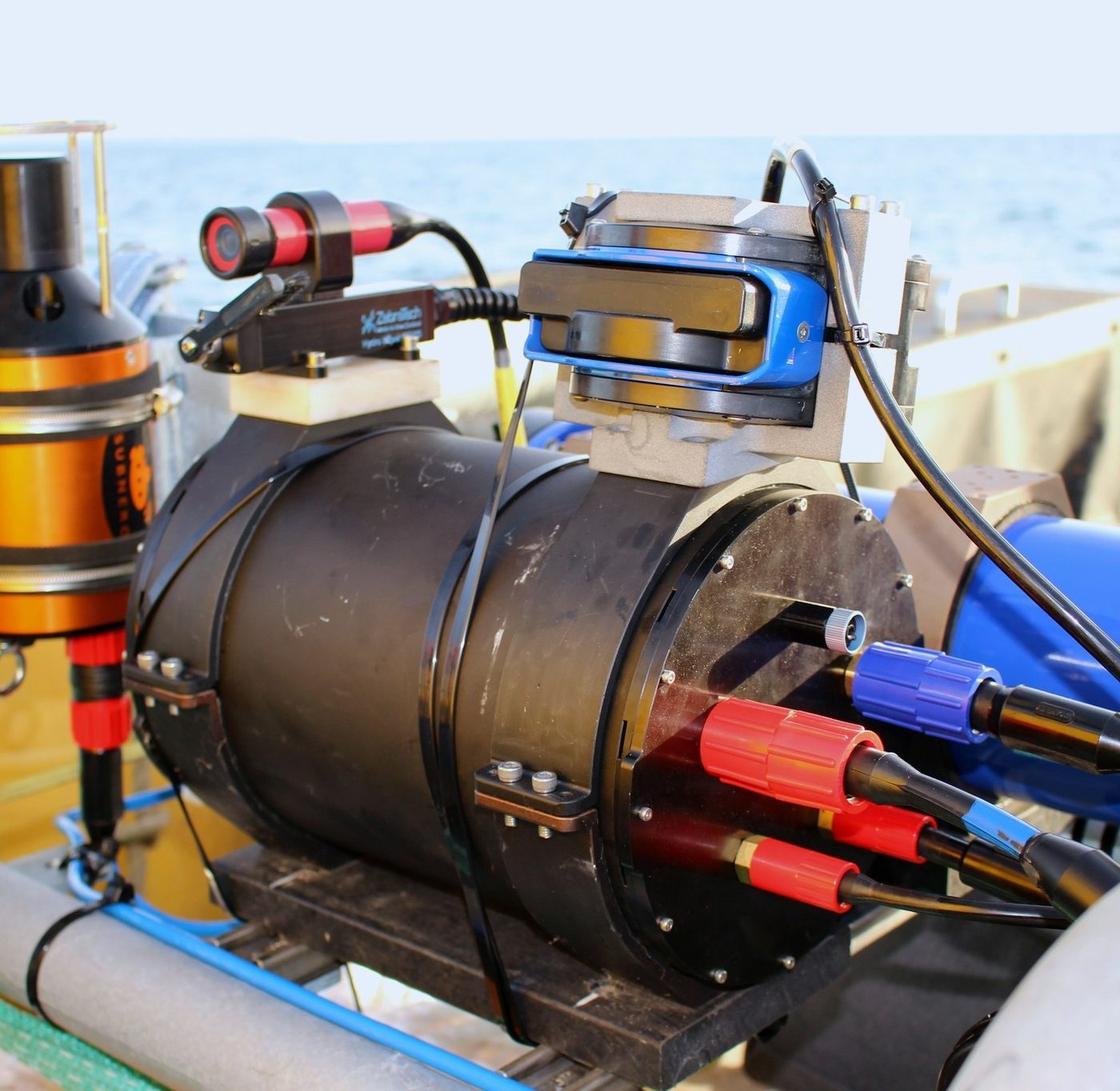
Ecodetect brings together the sensors, platforms and AI analysis needed to monitor complex aquatic and marine environments.
Complex technology. Simple outcomes.
Design and recommend
We assess your environment, species and compliance requirements and design the optimal monitoring system – specifying the right sensors, platforms and AI configuration from the outset.
Deploy and monitor
From installation through to live data retrieval, our platform runs continuously – processing footage in real time, generating alerts and producing regulator-ready reports automatically.
Continuously optimise
Every deployment makes our AI more accurate. As new species, behaviours and environments are encountered, the platform learns – delivering improving performance across your entire programme.
A custom platform, built around your site.
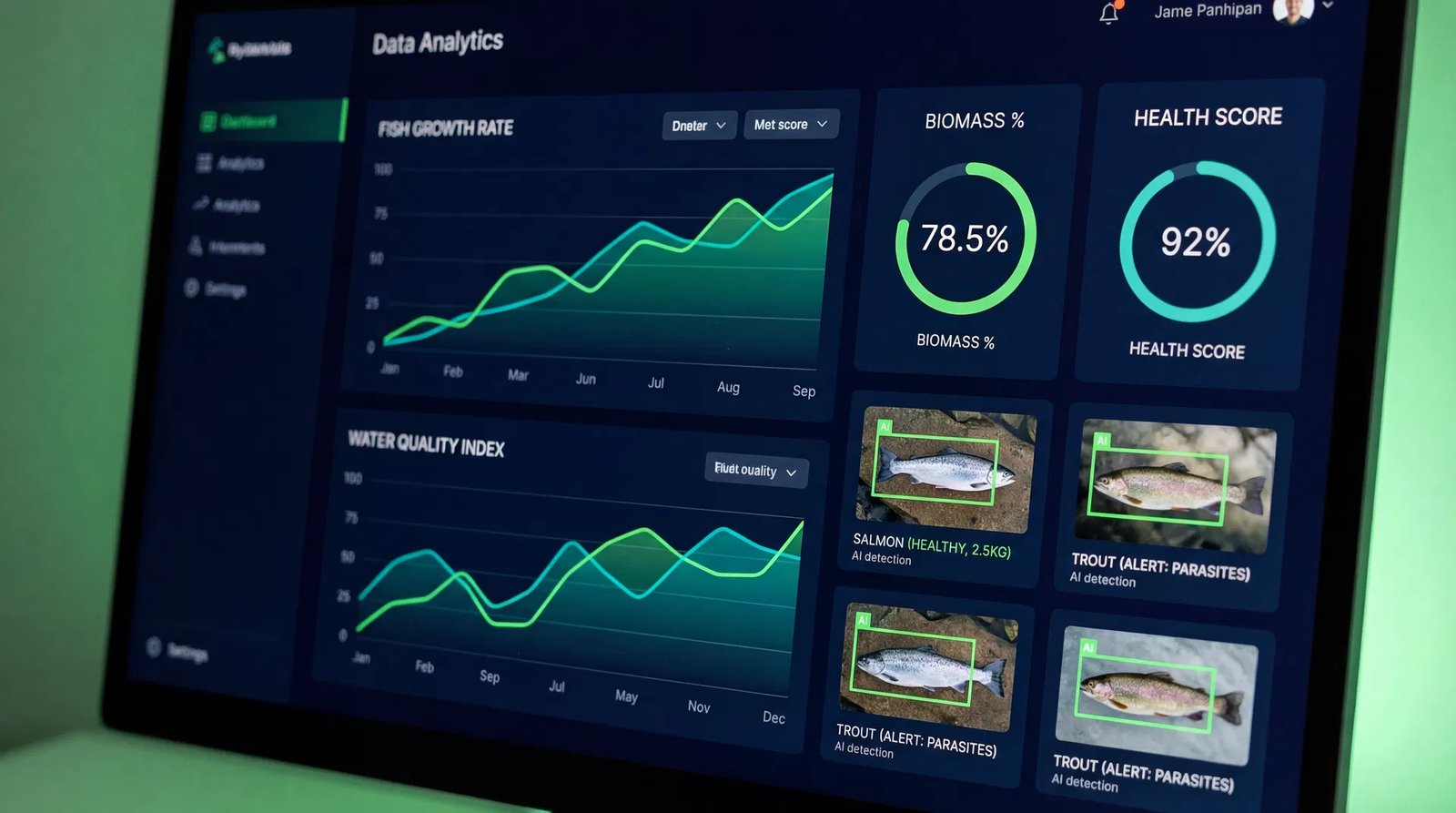
We build a monitoring platform for each project: on our patent-pending seabed lander, on your existing infrastructure, or on a buoy or surface platform. We then fit it with the sensors your project needs.
-
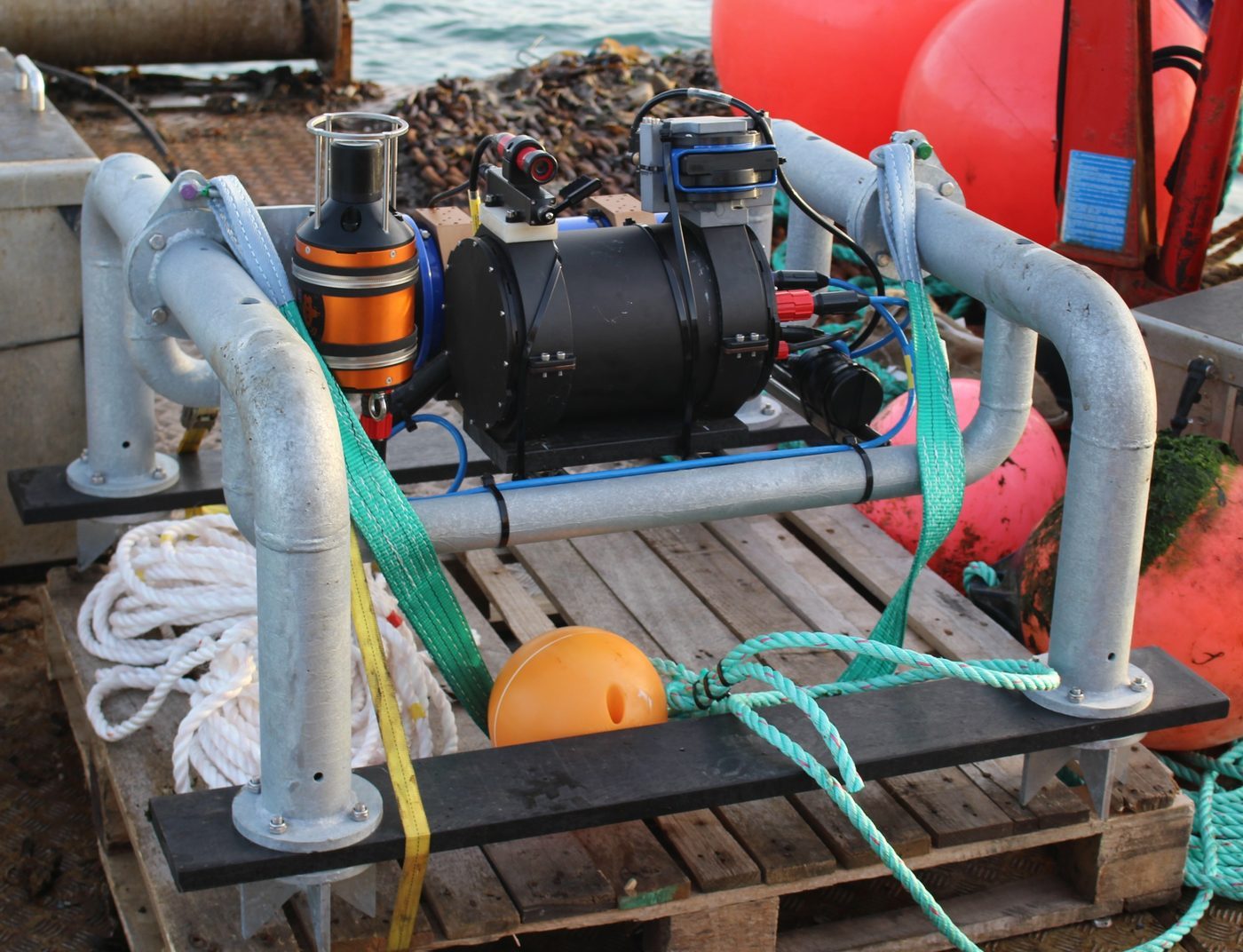 Ecodetect seabed lander
On our patent-pending seabed lander
Our self-powered, seabed-mounted system supports sensor packages in challenging marine environments.
- Battery-powered: compact, for shorter deployments in accessible locations
- Ocean-current-powered: long-duration remote deployments, harvesting energy from ambient ocean current
-
 Your infrastructure
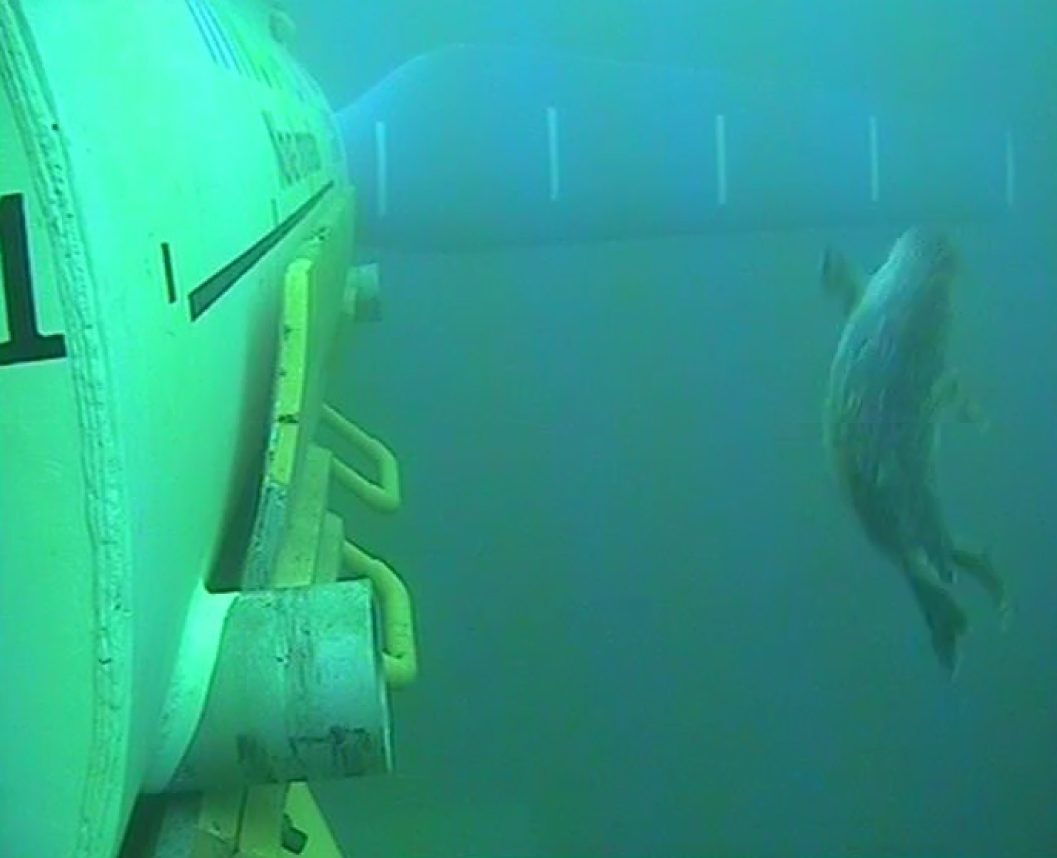
On your existing infrastructure
We integrate sensors onto structures already in the water, such as tidal turbines, offshore foundations, pontoons and aquaculture pens.
-
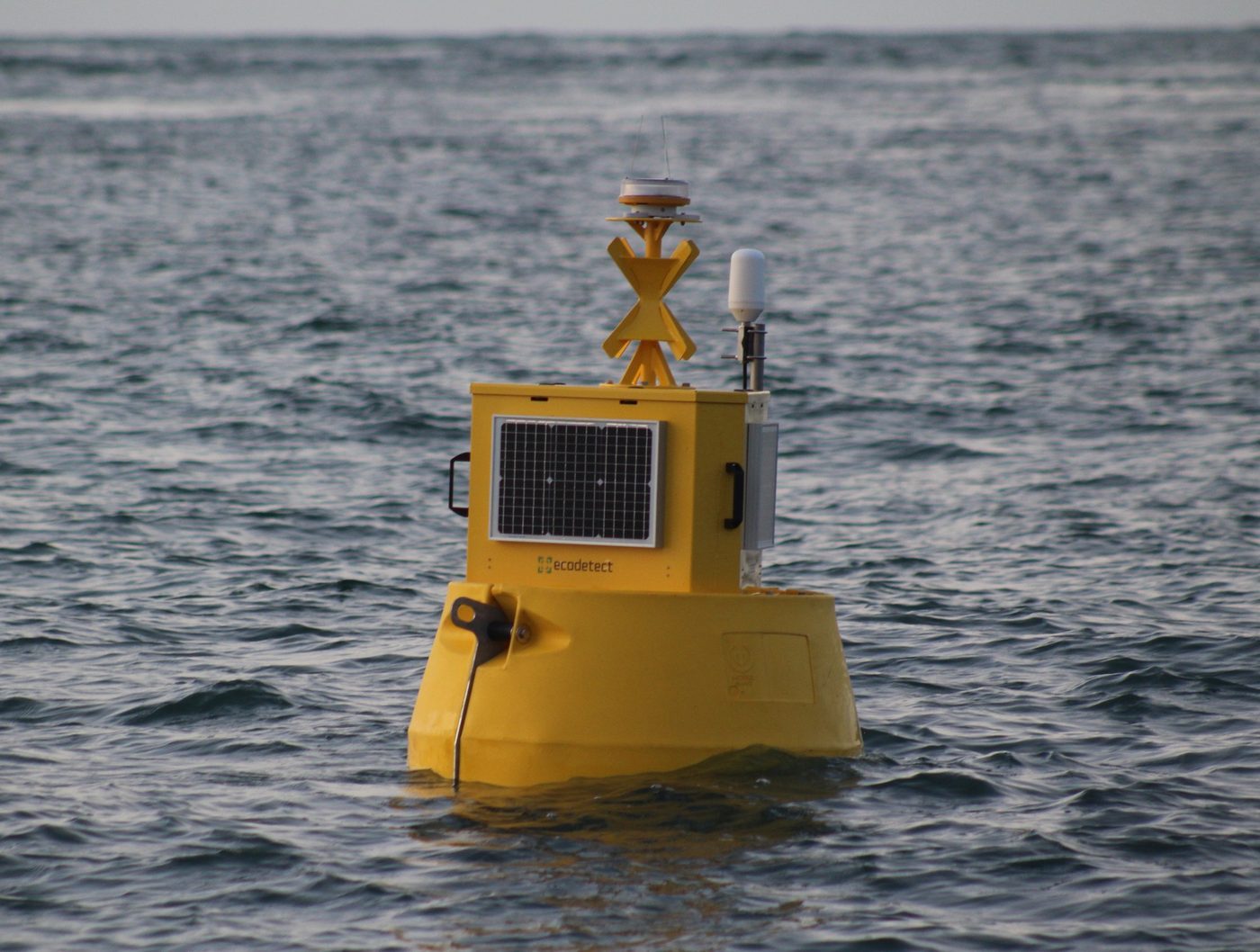 Surface platforms
On a buoy or surface platform
Surface buoys and platforms provide a stable base for sensors, communications equipment and power systems in open water, enabling long-duration autonomous monitoring at remote sites.
Build the perfect sensor mix for your project.
We are device agnostic, which means we are not tied to one manufacturer, one camera or one fixed system. We recommend and configure the right technology mix for each project, combining visual, acoustic, sonar and environmental data to build a clearer picture of what is happening in the water.
Sense. The eyes and ears of your system: cameras, acoustics, sonar and environmental sensors, chosen to suit your site and species.
-
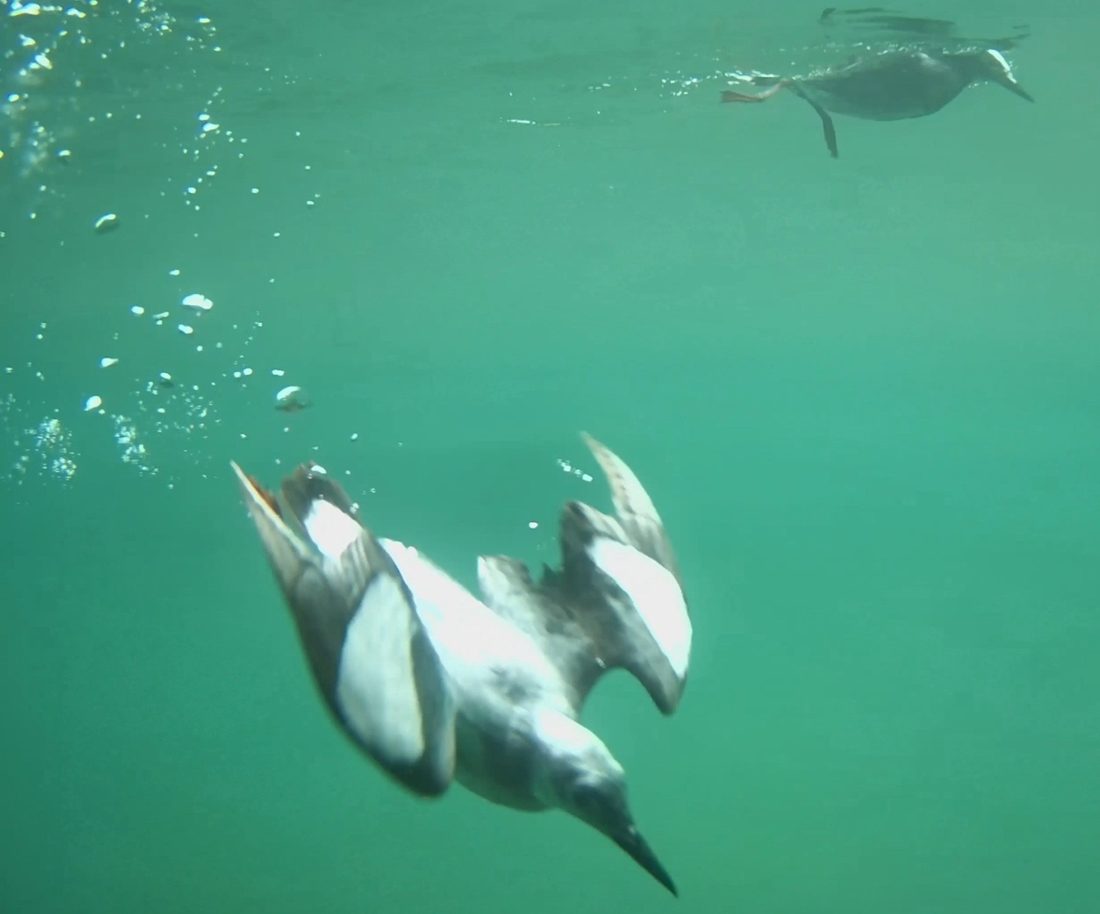
Optical marine cameras
High-quality underwater video and still imagery for visual monitoring of fish, shrimp, marine mammals, behaviour, infrastructure interaction and environmental change.
Optical systems are especially valuable where clear visual evidence is needed for analysis, reporting and stakeholder confidence.
-
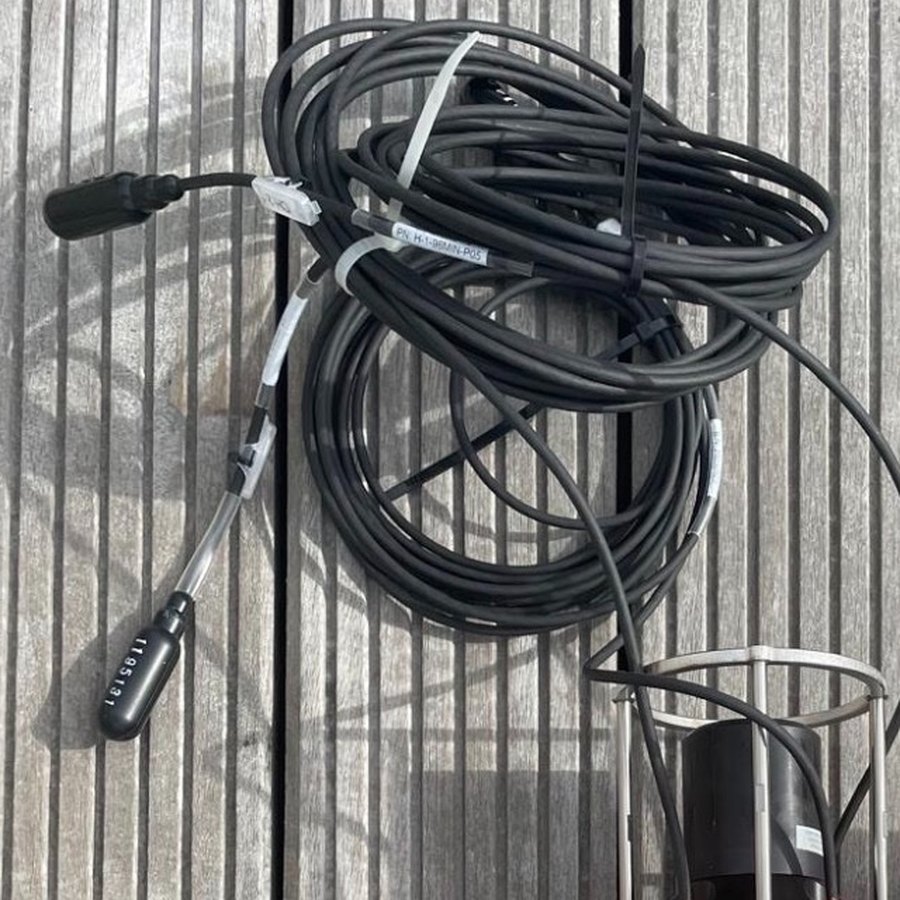
Passive acoustic monitoring
Hydrophones and acoustic systems can detect underwater sound, helping monitor marine mammals, vessel activity and other acoustic signals.
This can be particularly important for offshore energy, seismic activity, environmental monitoring and projects where protected species may be present.
-
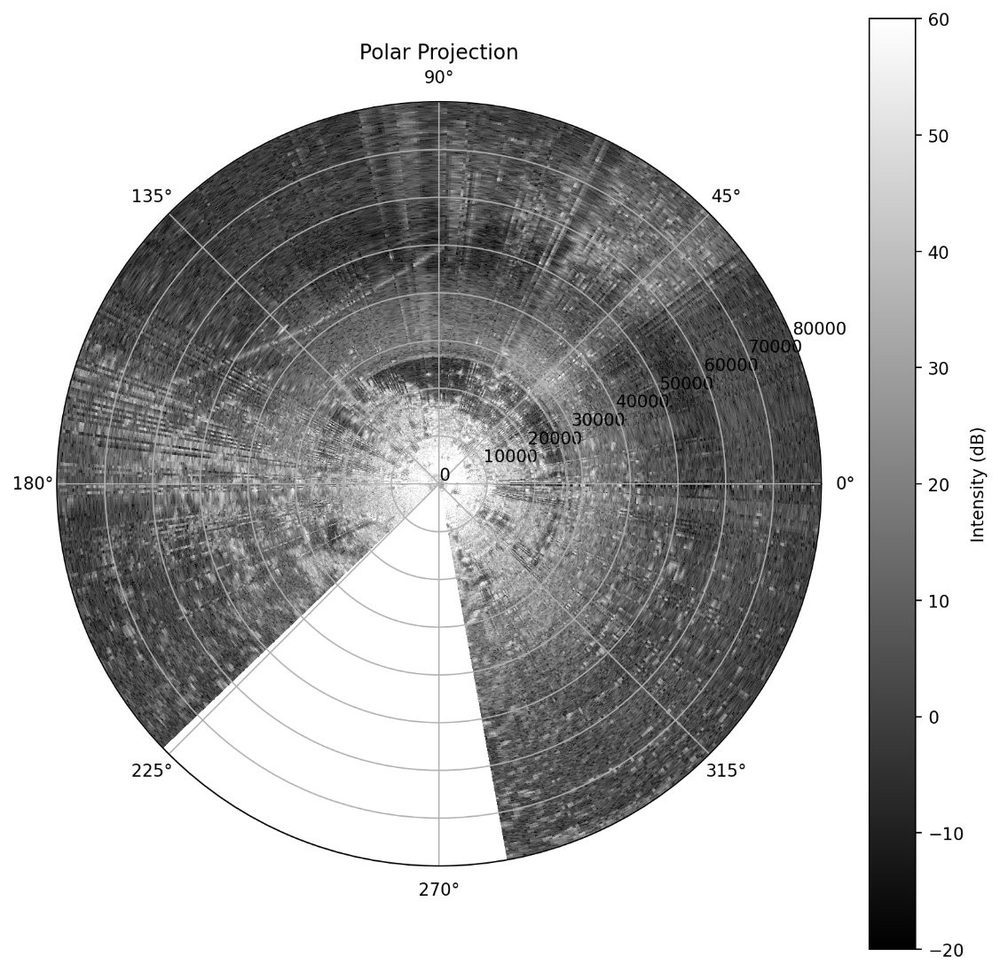
Active and multibeam imaging sonar
Sonar can provide useful detection and movement data where visibility is poor or optical cameras are limited by darkness, turbidity or distance.
It can help support monitoring around tidal turbines, offshore infrastructure, aquaculture sites and challenging marine environments.
-
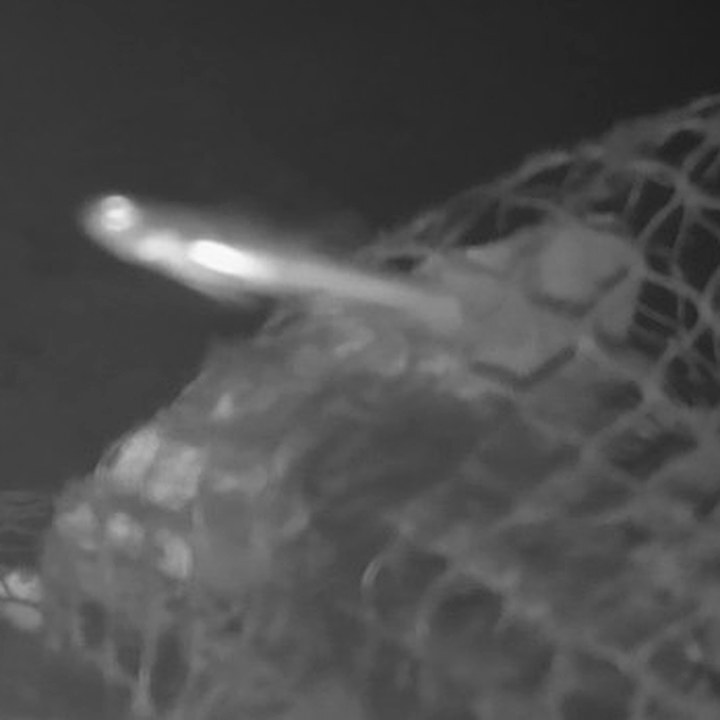
LiDAR, infrared and dynamic vision
For specialist applications, Ecodetect can integrate additional sensing technologies including LiDAR, infrared and dynamic vision.
These tools can help extend monitoring capability where conventional cameras or acoustic systems are not enough.
-
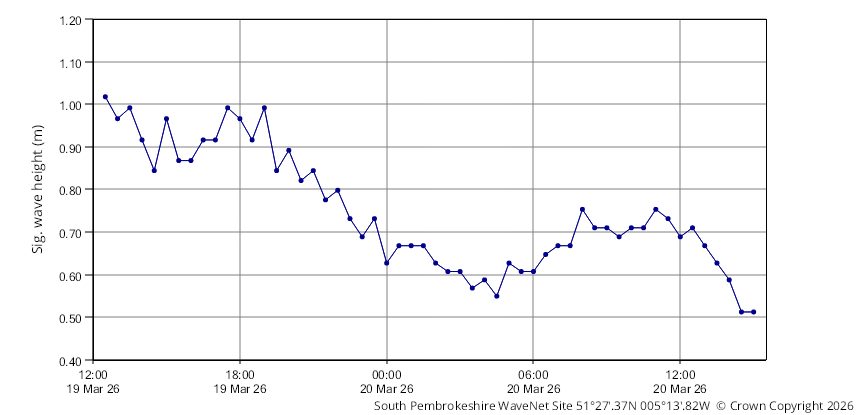
Metocean and environmental data
Environmental context matters.
Metocean data, water quality, oxygen, temperature, wave conditions and other sensor inputs can help explain why behaviour is changing, not just show that a change has occurred.
Process. AI that runs on site, turning raw data into detections before anything is sent ashore.
-
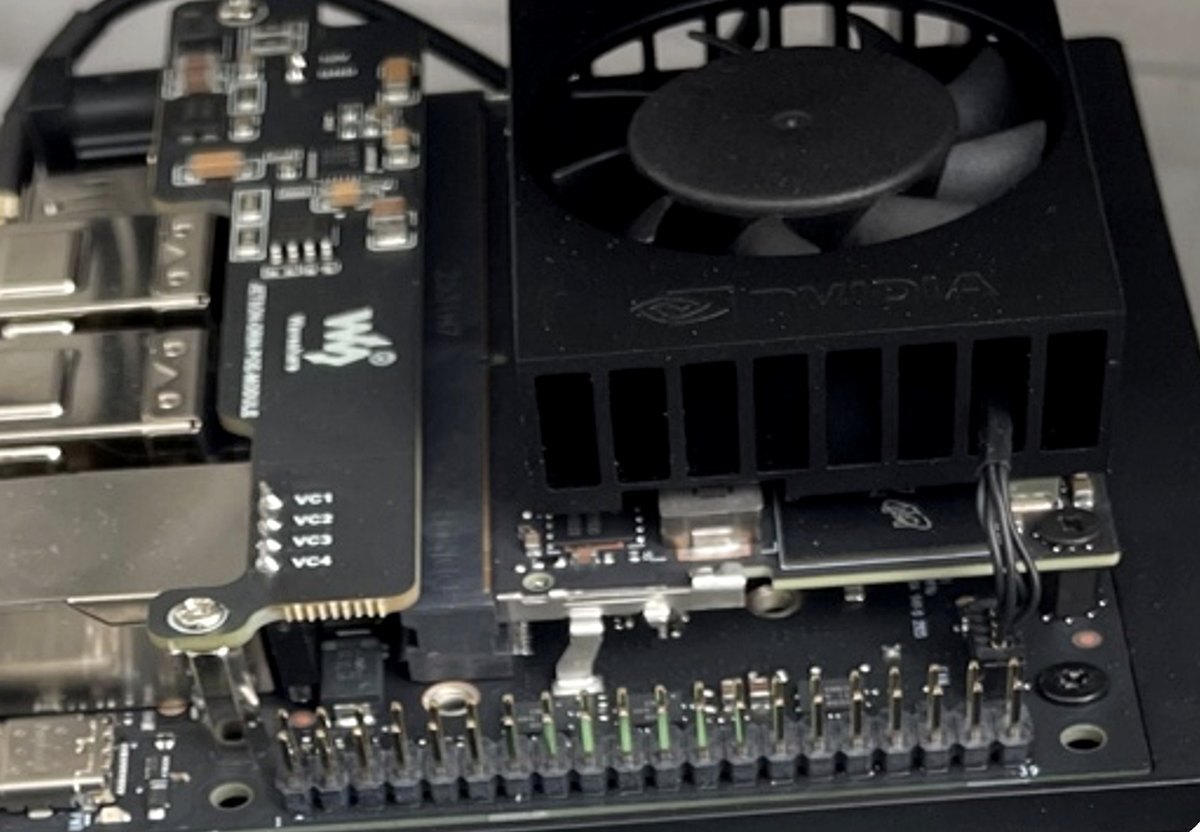
Edge processors
Edge processing allows data to be analysed close to where it is collected.
This can reduce the need to transmit huge volumes of raw footage, support faster alerts and make remote or offshore monitoring more practical.
Transmit. Getting detections and alerts from the water to your team, wherever they are.
-
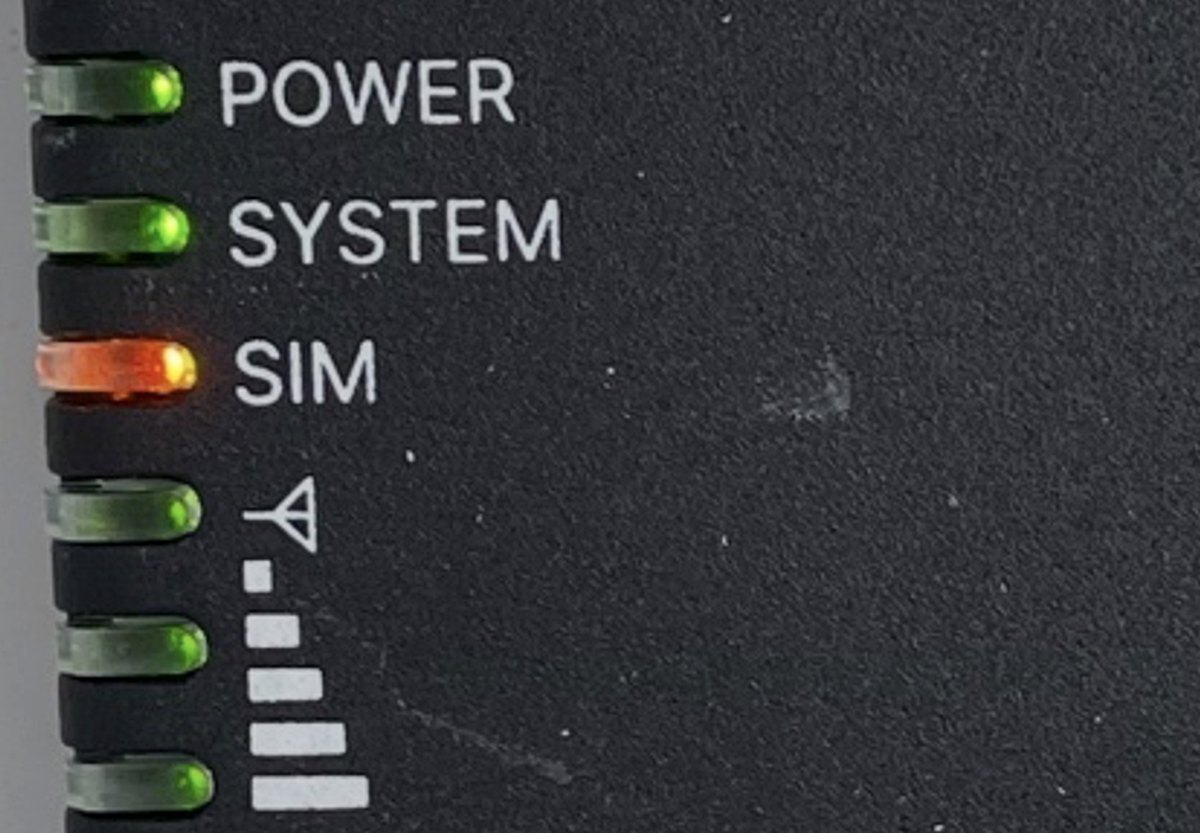
Satellite and cellular communications
Keeping data flowing from remote and offshore deployments requires robust connectivity.
Ecodetect can integrate satellite terminals, cellular modems and hybrid communications systems to ensure data reaches shore reliably, wherever the deployment is located.
-
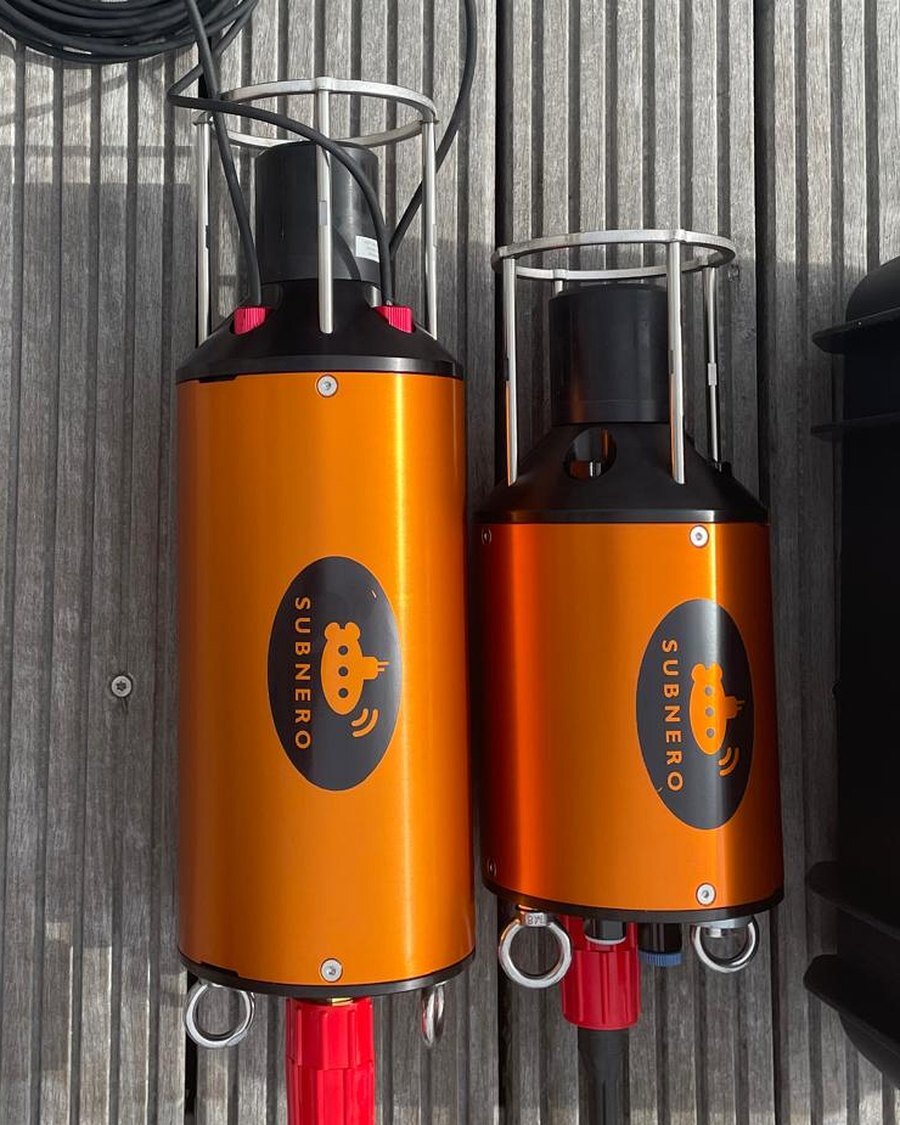
Acoustic modems
Where surface communications are not possible, acoustic modems allow data to be transmitted through water between subsea instruments and surface nodes.
This is particularly useful for seabed lander deployments, subsea infrastructure monitoring and situations where cabled connections are impractical.
Power. Keeping everything running for weeks or months, matched to your site and how much energy your sensors need.
-
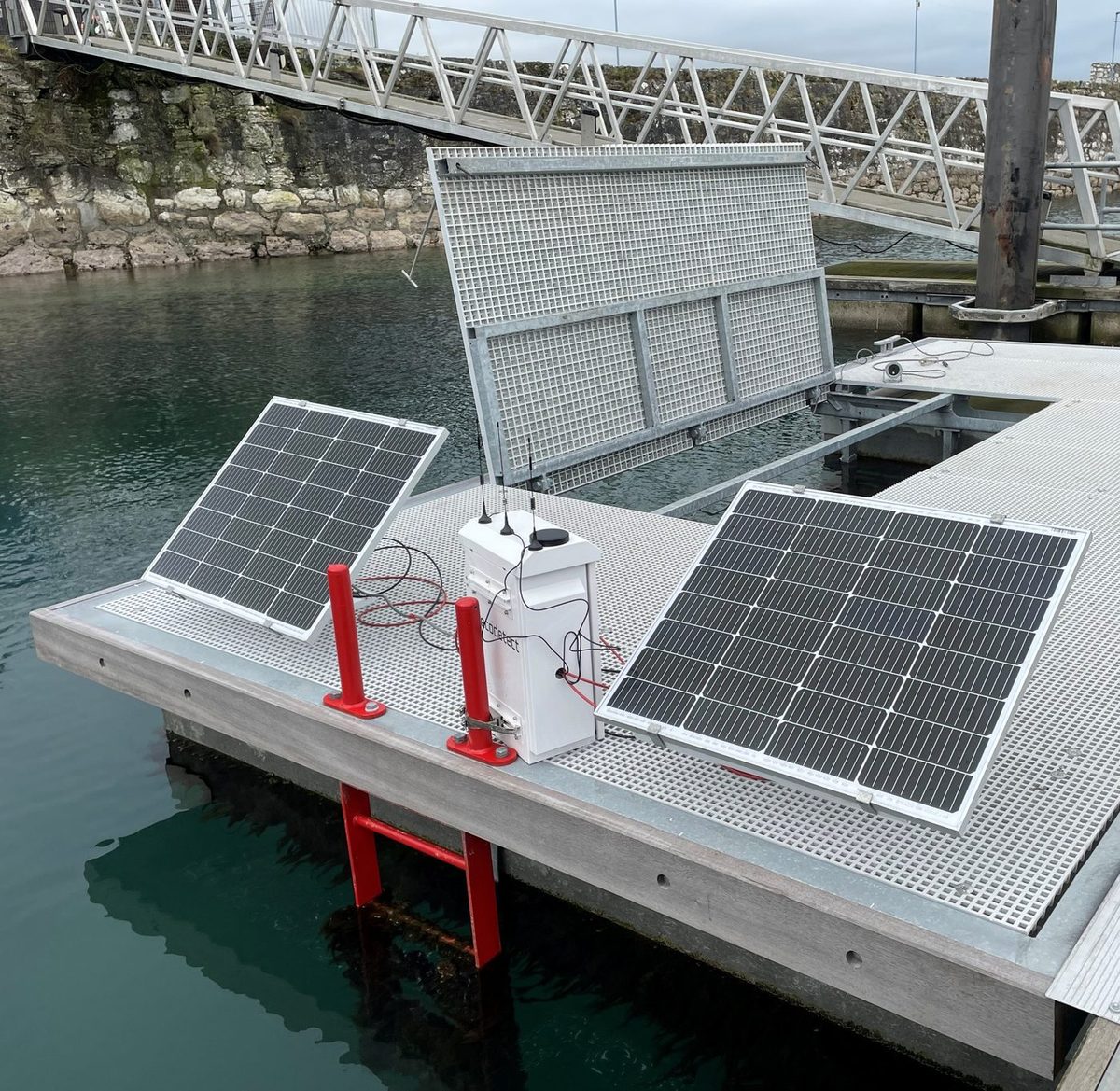
Solar panels
Low-maintenance power for surface buoys, jetty stations and coastal sites.
Panels charge the system batteries through the day, keeping sensors, processing and communications running around the clock.
-
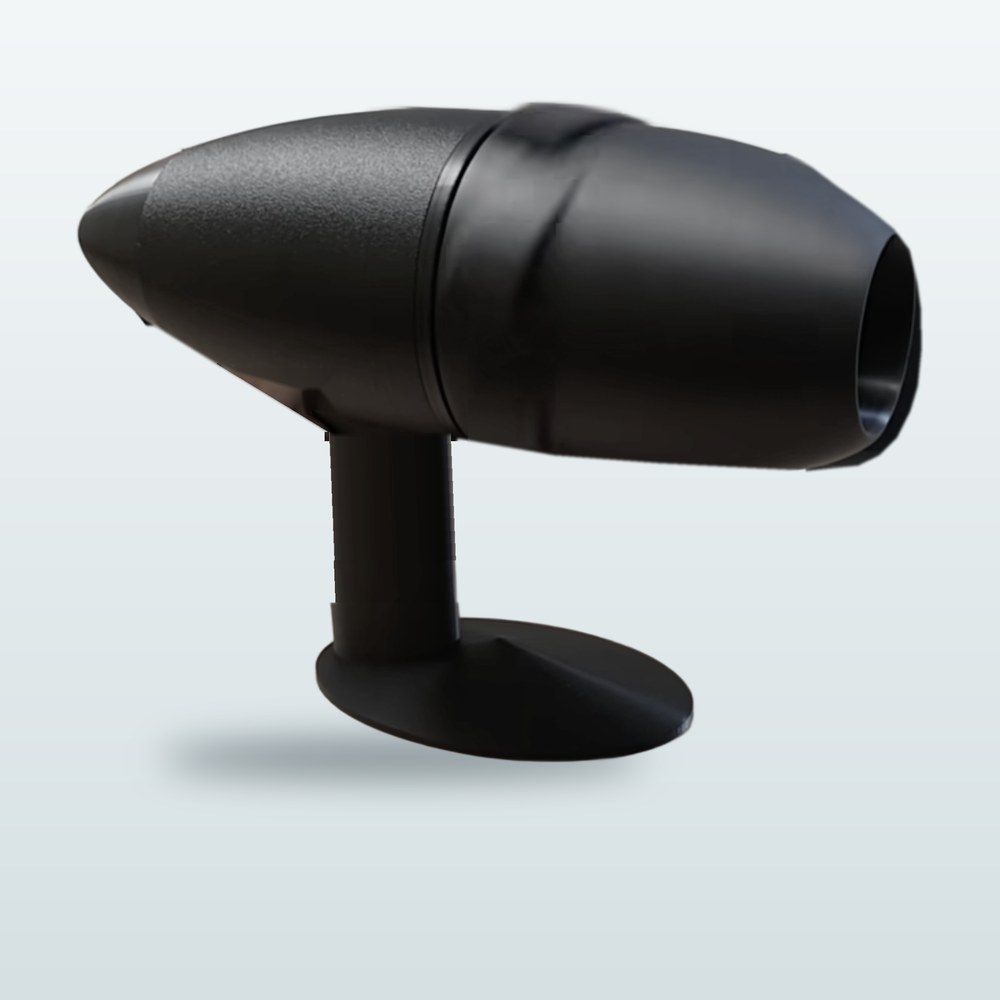
Ocean-current turbines
For subsea deployments, a turbine can harvest energy from the ambient ocean current, as on our seabed lander.
This makes long-duration, autonomous monitoring possible at remote sites, without regular battery changes.
-
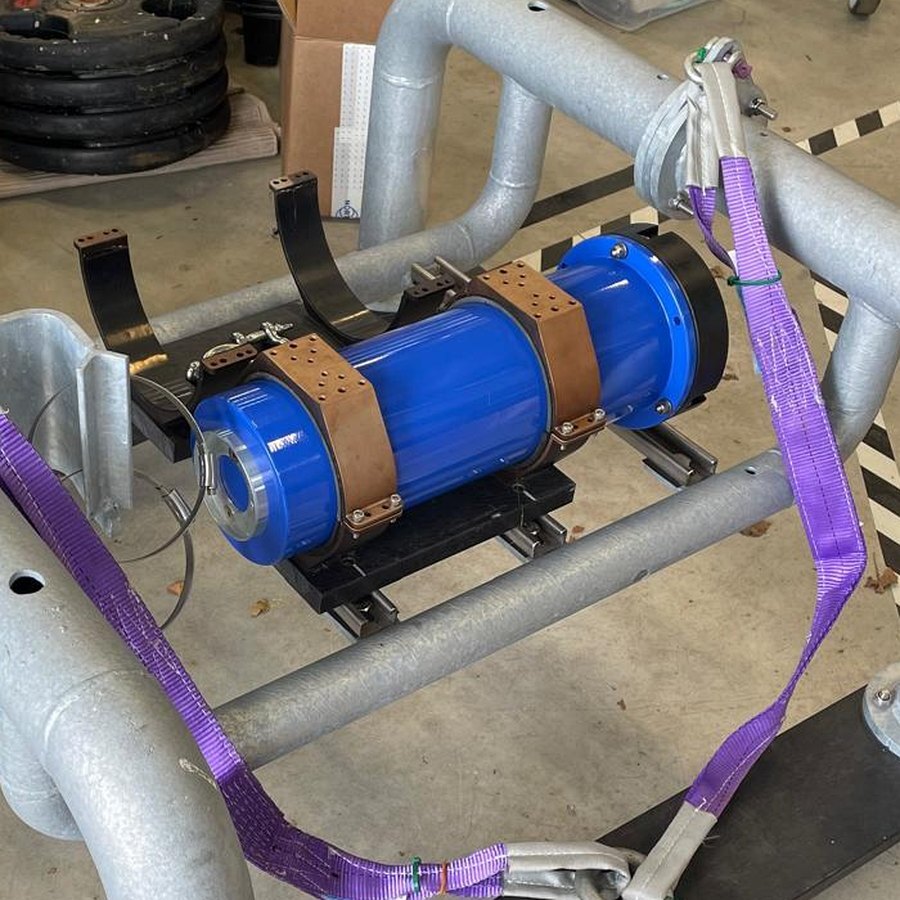
Battery packs
Simple, self-contained power for shorter surveys and accessible sites, with no extra equipment in the water.
Batteries also store energy from every other source, so the system keeps running overnight and through calm spells.
-
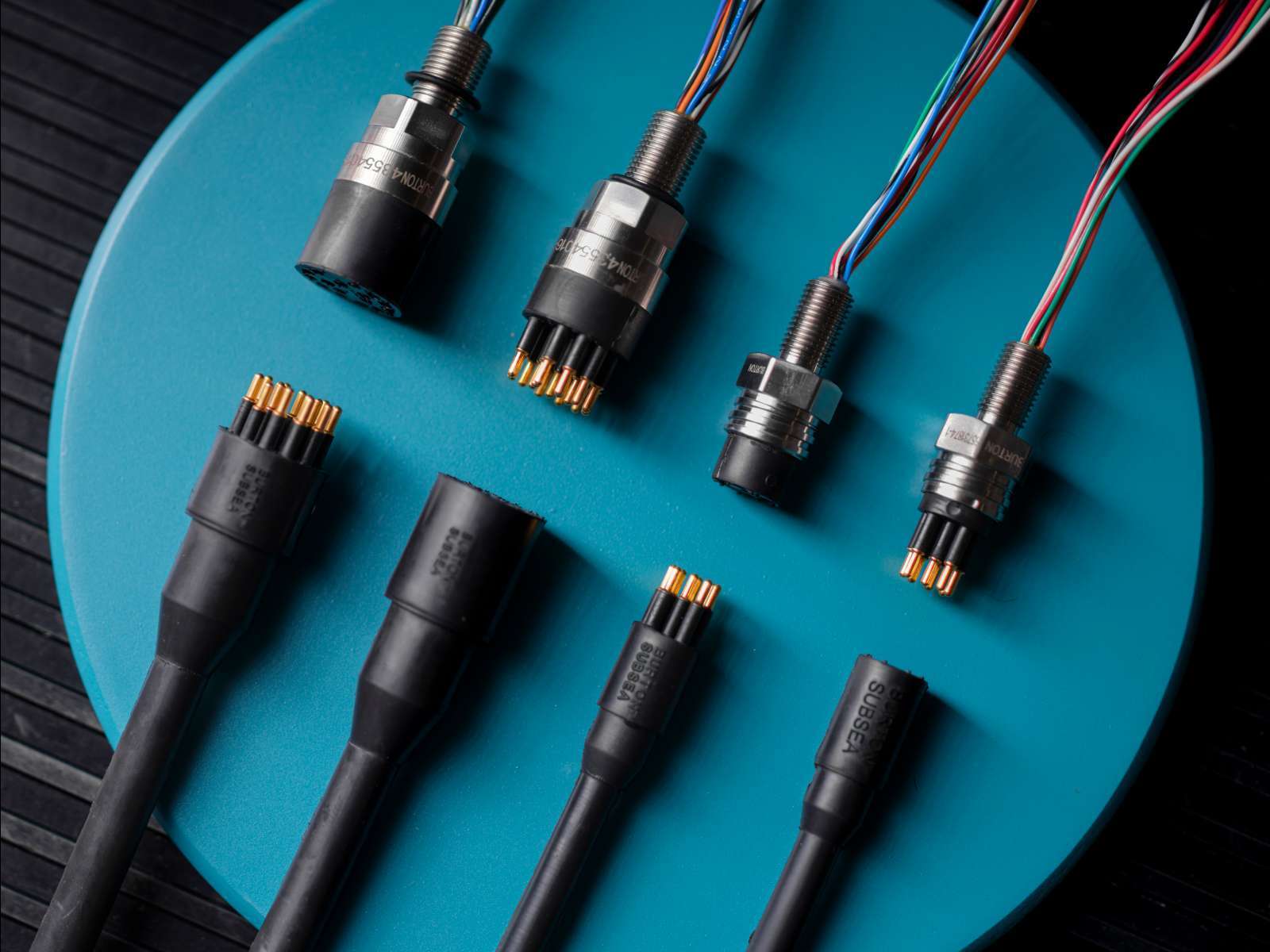
Wired (host) power
Where there is power already available, on a tidal turbine, offshore foundation, pontoon or quayside, we can connect to it directly.
A wired supply gives continuous operation and supports the most demanding sensor packages.
Mitigate. Turning a detection into action, automatically and in real time.
-
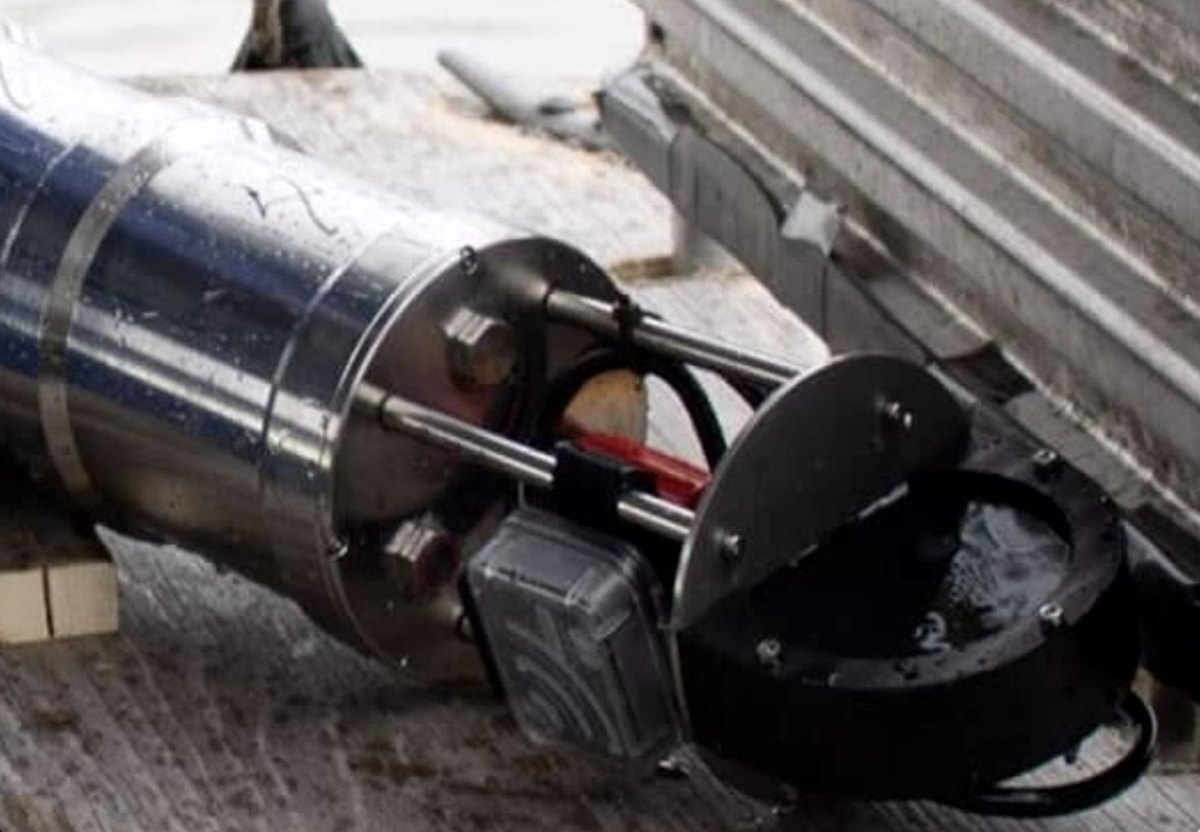
Acoustic deterrents
Where appropriate, monitoring can also connect to mitigation.
Ecodetect can integrate acoustic deterrent technologies into wider monitor, detect, mitigate and report workflows, helping offshore operators respond when marine mammals or other species of interest are present.