
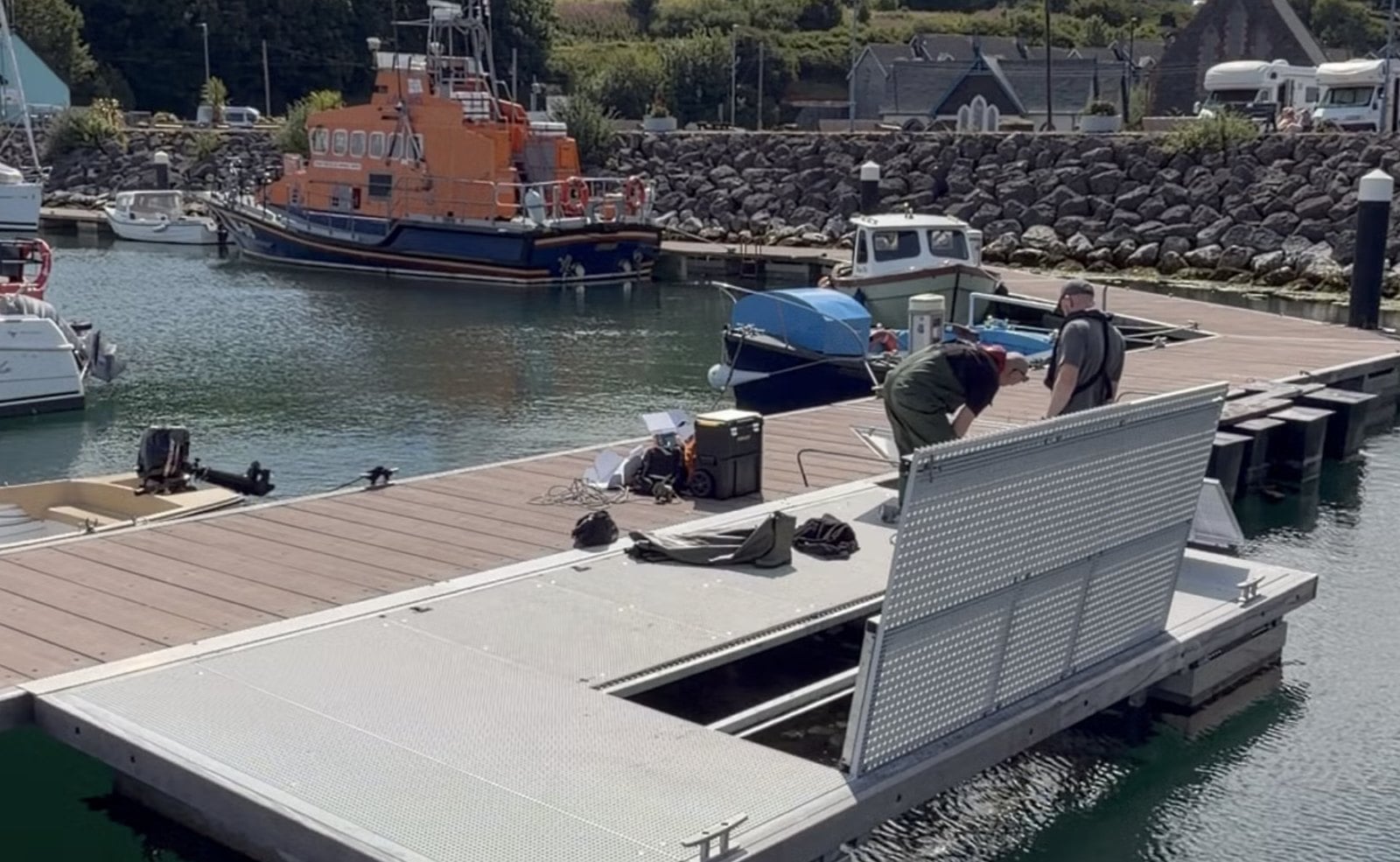
Native oyster reefs once lined Northern Ireland's coast, but overharvesting, habitat loss, disease and pollution left the European flat oyster close to disappearing. Ulster Wildlife is working to bring it back, and its newest project gives the oysters, and everything that lives alongside them, a real head start.
A reef above the seabed
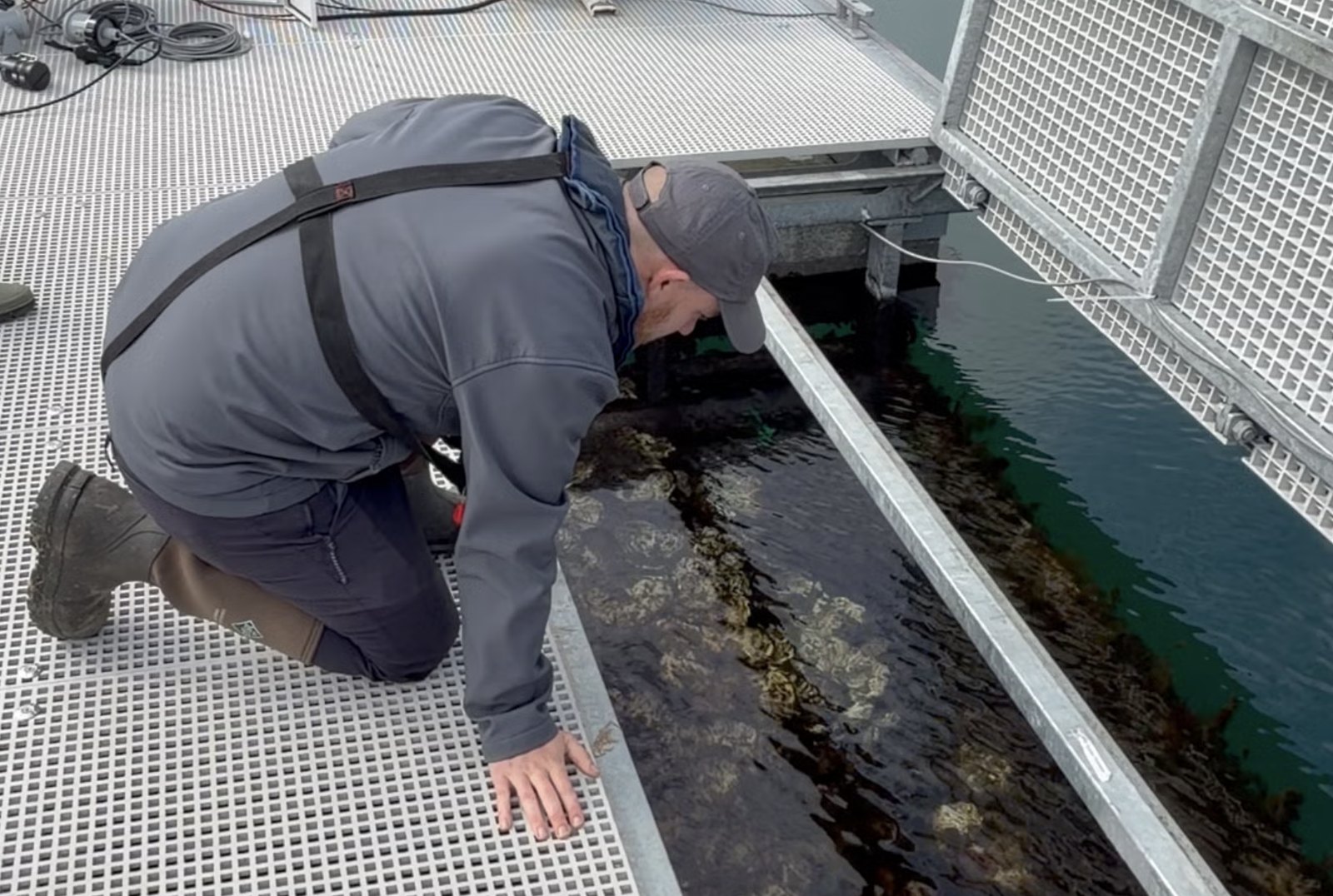
Northern Ireland's first floating oyster reef has been launched at Glenarm Marina in north Antrim. Developed by Ulster Wildlife with Mid and East Antrim Borough Council, and funded by DAERA through the carrier bag levy, the custom-built structure recreates a natural oyster reef just above the seabed. It already supports around 10,000 juvenile oysters and 200 adults, with early survival rates above 80%.
Seeing who visits, day and night
Our camera system sits beside the reef, recording the mobile species that come to visit and interact with it around the clock. In its first three months it logged more than 7,000 wildlife detections, from gobies sheltering among the structure to black guillemots diving down to feed.
That evidence complements Ulster Wildlife's own research on the smaller, less mobile residents of its oyster nursery, such as sea slugs and worms, building a fuller picture of how quickly a restored reef becomes a thriving habitat. As Dr Nick Baker Horne, Marine Conservation Manager at Ulster Wildlife, put it, the team can now "see what species are interacting with this floating reef, day and night".
What's next
Ulster Wildlife plans to use the reef to grow washed-up seagrass and replant it, strengthening the local seagrass meadow at Glenarm. We're proud to be part of the project and look forward to sharing what the cameras reveal as the reef matures.
Read the full story in The Independent, or find out more about our work with Ulster Wildlife.
Monitoring a restoration project?
Find out how continuous, AI-assisted monitoring can show the impact of your work. Email info@ecodetect.co.uk or get in touch with our team.